Understanding Veteran Wellness Services
Veterans face unique challenges that can impact their physical and mental well-being. Acknowledging these needs is crucial for effective support, which is where veteran wellness services come into play. These services are designed to offer holistic care, focusing on the complete health spectrum of veterans. By promoting mental health, addressing physical ailments, and providing social support, wellness services aim to help veterans transition successfully to civilian life while coping with the myriad stressors that come from their service.
What Are Veteran Wellness Services?
Veteran wellness services encompass a broad range of support mechanisms intended to enhance the quality of life for veterans. These services include mental health counseling, physical health assessments, peer support programs, and community integration initiatives. The goal is to create a nurturing environment where veterans can address their health needs in a comprehensive manner.
Importance of Mental Health for Veterans
Mental health is a critical component of overall wellness, particularly for veterans who may struggle with issues such as PTSD, anxiety, and depression due to their service. Engaging in veteran wellness services can facilitate access to psychological support, reducing stigma and encouraging open dialogue about mental health challenges. Understanding the profound impact of military experiences on mental well-being is key to fostering recovery and resilience.
Common Challenges Facing Veterans Today
Despite the various programs available, veterans face numerous challenges that can hinder their access to wellness services. Key obstacles include:
- Stigma: Many veterans may feel stigmatized or reluctant to seek help due to societal perceptions of mental health.
- Lack of Resources: Geographic location and availability of services can limit access to necessary care.
- Transition Difficulties: The shift from military to civilian life can be jarring and can exacerbate feelings of isolation.
- Financial Constraints: Not all veterans have financial means to access wellness services, particularly in private sectors.
Comprehensive Programs Offered
To address the unique needs of veterans, a variety of comprehensive programs have been developed. These programs aim to deliver tailored services that enhance physical, mental, and social well-being.
Types of Services Available for Veterans
Veteran wellness services include an array of offerings designed to support veterans holistically. These typically encompass:
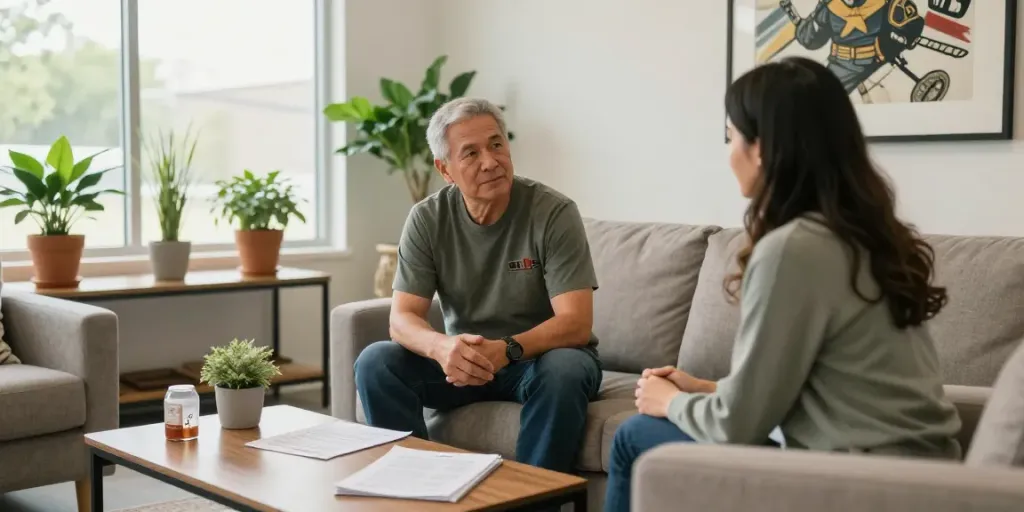
- Counseling Services: Individual and group therapy sessions that focus on mental health support.
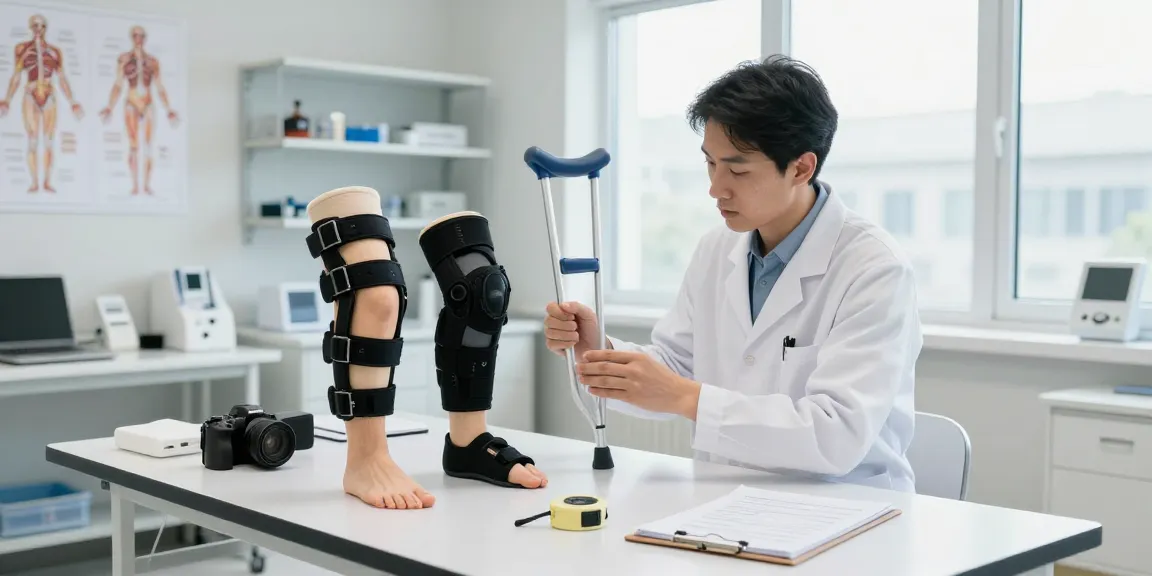
- Physical Health Programs: Fitness classes, nutritional counseling, and medical assessments to optimize physical health.
- Employment Support: Resources aimed at helping veterans transition into the workforce successfully.
- Recreational Activities: Opportunities for social engagement through sports, outdoor events, and community gatherings.
Integrative Approaches to Wellness
Integrative approaches to wellness involve combining traditional medical practices with alternative therapies. This may include:
- Mindfulness and Meditation: Techniques that promote relaxation and stress reduction.
- Aromatherapy: Using essential oils to improve emotional and physical health.
- Art and Music Therapy: Creative outlets that allow veterans to express their feelings and experiences.
Case Studies of Successful Programs
Numerous organizations have successfully implemented programs that demonstrate the effectiveness of comprehensive veteran wellness services. For instance:
- Veterans Inc: Offers a variety of wellness services, including housing assistance and mental health support, which have led to improved life satisfaction for many veterans.
- Endeavors Wellness Center: Provides a multidisciplinary approach, focusing on mental, physical, and emotional health, resulting in significant improvements in veterans’ overall well-being.
How to Access Veteran Wellness Services
Accessing veteran wellness services is a vital step toward improving well-being and overcoming challenges. Understanding how to navigate available resources can facilitate this process significantly.
Finding Local Resources and Services
Veterans should begin by exploring resources available in their local communities. Many organizations, both government-run and private non-profits, offer various wellness services tailored specifically for veterans. Websites like VA.gov provide comprehensive listings of local resources and can direct veterans to appropriate programs in their area.
Navigating the VA System for Support
Navigating the Department of Veterans Affairs (VA) system can be daunting. Veterans seeking services should:
- Register for VA health care to access a range of services.
- Utilize the Veterans Crisis Line for urgent mental health support.
- Work with a patient advocate to understand benefits and services.
Emergency Services and Crisis Support
In times of crisis, veterans need immediate access to emergency services. This may include:
- Mental health crisis lines specifically for veterans.
- Local emergency rooms capable of handling mental health crises.
- Community-based resources that provide immediate support and guidance.
Best Practices for Wellness Initiatives
Implementing best practices is essential for the successful delivery of wellness initiatives aimed at veterans.
Creating an Inclusive Environment for Veterans
Inclusivity can be fostered through various strategies, such as:
- Training staff on veteran-specific issues to enhance understanding and empathy.
- Encouraging peer support networks to promote shared experiences.
- Ensuring physical spaces are welcoming and accessible to all veterans.
Engaging Community Support and Partnerships
Creating partnerships with local businesses and organizations can strengthen community ties. Collaborative efforts can lead to:
- Enhanced resources and support for veterans.
- Increased awareness of veteran needs in the broader community.
- Opportunities for social engagement and networking.
Measuring the Success of Wellness Programs
Evaluating the effectiveness of wellness programs is crucial for ongoing improvement. Important metrics include:
- Participant satisfaction surveys to gather feedback.
- Assessment of health outcomes pre- and post-program participation.
- Tracking engagement levels and retention rates among veterans.
Future Trends in Veteran Wellness Services
The future of veteran wellness services will likely be shaped by emerging trends that address the evolving needs of veterans in society.
Emerging Technologies in Mental Health Support
Innovations in technology are beginning to play a significant role in mental health services. Examples include:
- Teletherapy services that allow veterans to access counseling from home.
- Mobile apps designed to provide mental health resources and crisis management tools.
- Online peer support platforms that foster community among veterans.
Predictions for Veteran Health Services in 2026
As we look ahead, several predictions can be made regarding veteran health services:
- Increased integration of mental health services within primary care settings.
- Greater emphasis on preventative health measures and wellness education.
- Enhanced funding and resources for community-centered wellness initiatives.
Advocating for Policy Changes and Funding
Advocacy plays a crucial role in securing the resources necessary for effective veteran wellness services. Efforts should focus on:
- Lobbying for increased federal and state funding for veteran programs.
- Promoting policies that mandate mental health services be made available to all veterans.
- Raising awareness of the unique needs and contributions of veterans within the community.
What Resources Are Available for Support?
In addition to government resources, numerous non-profit organizations and community groups offer support for veterans. These may include:
- Local veteran organizations that provide social activities and wellness programs.
- Online communities dedicated to veteran support and advocacy.
- Scholarships and financial assistance programs for education and training.
How Are Wellness Services Tailored for Individual Needs?
Customization of wellness services is vital in meeting the diverse needs of veterans. Programs can be tailored by considering:
- Individual health assessments to identify specific needs and risks.
- Feedback from veterans on what services they find most beneficial.
- Collaborative care models involving multi-disciplinary teams.
Can Family Members Benefit from Veteran Wellness Services?
Absolutely. Family members of veterans often play a significant role in their wellness journey. Many programs include:
- Family counseling sessions to address dynamics and support needs.
- Workshops and support groups for family members to share experiences and resources.
- Education on the challenges faced by veterans to enhance understanding and empathy.
What Should I Expect from a Wellness Program?
Participation in a wellness program typically includes:
- Initial assessments to create a personalized wellness plan.
- Regular check-ins to monitor progress and adjust plans as necessary.
- Access to a variety of programs and resources tailored to the individual's needs.
How Do I Know if I Need Wellness Services?
Recognizing the need for wellness services can be a personal journey. Signs that indicate a need may include:
- Struggling with daily life activities or feeling overwhelmed.
- Experiencing persistent feelings of sadness or anxiety.
- Having difficulty connecting with others, leading to social isolation.
What Are Some Common Myths About Veteran Services?
Several misconceptions persist regarding veteran services, including:
- Believing that all veterans have access to adequate care.
- Assuming that wellness services are only for those with severe mental health issues.
- Thinking that veterans are unwilling to support each other.