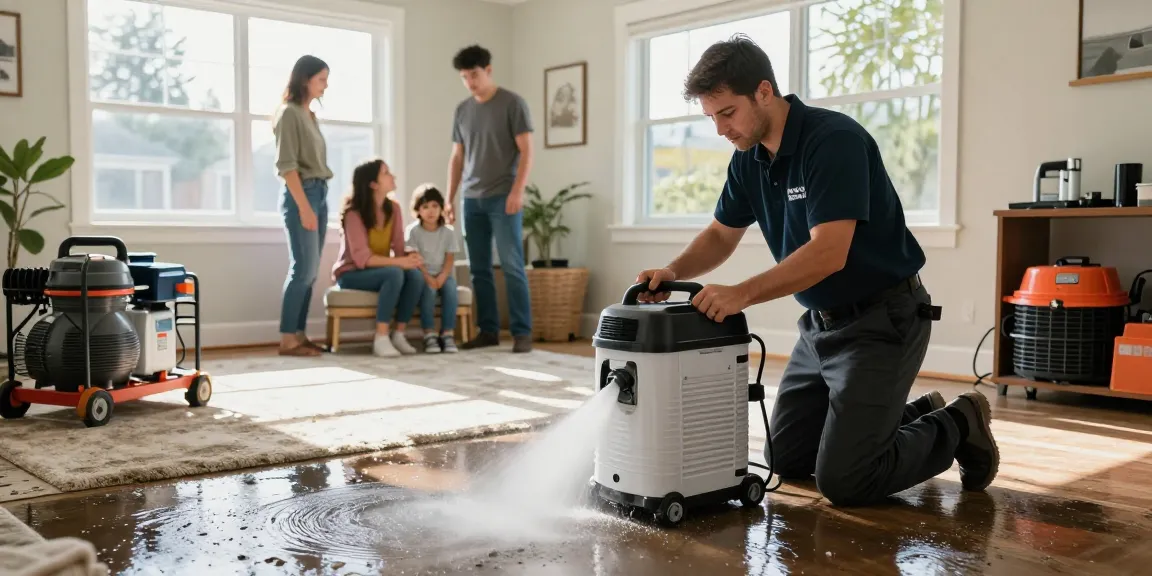
Understanding Water Damage Restoration North Vancouver
Water damage can wreak havoc on homes and businesses, leading to extensive repairs and costly consequences if not addressed promptly. In the context of North Vancouver, where heavy rainfall and aging infrastructure add to the risk, understanding the nuances of Water Damage Restoration North Vancouver becomes vital for homeowners and property managers alike. Effective restoration requires a knowledgeable response to minimize damage, ensure safety, and restore properties to their pre-loss condition.
What is Water Damage Restoration?
Water damage restoration is a series of processes aimed at cleaning, drying, and repairing properties impacted by water intrusion. This can stem from various sources, such as leaks, flooding, or appliance malfunctions. The goal is to restore the property to its original state while mitigating additional damage that may arise from prolonged exposure to moisture.
Importance of Immediate Response
Time is of the essence when dealing with water damage. The longer water sits, the more damage it can cause, potentially leading to mold growth, structural issues, and increased repair costs. Prompt restoration efforts can significantly reduce the extent of damage and facilitate a smoother recovery process for homeowners and businesses in North Vancouver.
Common Water Damage Scenarios in North Vancouver
- Flooding: Often caused by heavy rainstorms that overwhelm drainage systems.
- Leaking Pipes: Aging plumbing can lead to slow leaks that go unnoticed until extensive damage occurs.
- Appliance Failures: Dishwashers, washing machines, and water heaters can fail, leading to sudden water release.
- Basement Flooding: Particularly common in homes with inadequate drainage during heavy rain.
Recognizing Causes and Early Signs of Water Damage
Common Causes of Water Damage
Understanding the typical causes of water damage is crucial in managing risks effectively. In North Vancouver, residents face unique challenges due to the climate and infrastructure:
- Heavy Rainfall: Seasonal downpours can lead to surface water pooling and flooding.
- Snowmelt: In spring, melting snow can contribute to excess water buildup.
- Groundwater Issues: High groundwater levels can permeate below-grade areas, such as basements.
- Poor Drainage: Inadequate or clogged drainage systems can exacerbate flooding conditions.
Identifying Early Warning Signs in Homes
Early detection of water damage can save homeowners significant time and money. Key indicators include:
- Water stains on walls, ceilings, or floors.
- Unpleasant odors indicating mold or mildew.
- Peeling paint or wallpaper.
- Warped or buckled flooring.
Local Climate Impact on Water Damage Risks
North Vancouver’s temperate coastal climate presents unique challenges. The combination of heavy rainfall, humidity, and the potential for snowmelt creates an ideal environment for water damage. Homeowners must remain vigilant, especially during peak rainy seasons, to monitor for signs of water intrusion.
Your Step-by-Step Guide to Emergency Cleanup
Initial Actions After Discovering Water Damage
Upon discovering water damage, homeowners should take immediate action to mitigate costs and damage potential:
- Turn Off Utilities: Safety first—shut off the water and electricity to prevent hazards.
- Document the Damage: Take photos for insurance claims before cleanup efforts begin.
- Call a Professional: Engage a water damage restoration service immediately for their expertise.
Essential Equipment Used in Restoration
Effective water damage restoration depends on the right tools. Professionals utilize a variety of equipment:
- Water Extractors: Powerful machines designed to remove standing water quickly.
- Dehumidifiers: Essential for reducing humidity and preventing mold growth.
- Air Movers: High-velocity fans that enhance the drying process.
- Moisture Meters: Help to identify hidden moisture in materials.
Choosing the Right Restoration Team in North Vancouver
Selecting a qualified restoration team is crucial for effective recovery. Look for the following:
- Certification: Ensure technicians are IICRC-certified for best practices.
- Experience: A proven track record in managing water damage in the local area.
- Reviews: Positive customer testimonials can provide insight into their service quality.
Navigating Insurance Claims for Water Damage
Understanding Your Coverage
Homeowners should familiarize themselves with their insurance policies regarding water damage. Coverage may vary dramatically depending on the source of water damage, such as:
- Natural disasters (e.g., floods may require separate flood insurance).
- Pipes bursting or appliance malfunctions, typically covered under standard policies.
How to Document Damage for Claims
When filing a claim, documentation is key. Keep thorough records that include:
- Photographic evidence of water damage.
- Receipts for emergency repairs or restoration services.
- A list of damaged items with their estimated value.
Working with Contractors and Adjusters
Collaboration with contractors and insurance adjusters is essential for a successful claim. Be transparent about the damage and provide all required documentation to facilitate a smooth process.
Preventative Measures and Future Considerations
Long-Term Solutions to Prevent Water Damage
Investing in preventative measures can save homeowners significant costs in the long run. Consider:
- Regular inspections of plumbing systems and appliances.
- Improving drainage systems around your property.
- Installing sump pumps in basements vulnerable to flooding.
Seasonal Maintenance Tips for Homeowners
Routine seasonal maintenance is essential for mitigating water damage risks:
- Clean gutters and downspouts regularly to ensure proper drainage.
- Inspect roofs for any signs of damage or leaks before the rainy season.
- Check for cracks in your foundation and seal as necessary.
Emerging Trends in Water Damage Restoration Technology
The water damage restoration industry is evolving, and new technologies play a crucial role in improving outcomes:
- Advanced Moisture Detection: Innovative technologies, like thermal imaging, help identify hidden moisture.
- Eco-friendly Equipment: Many companies are moving toward energy-efficient and environmentally friendly restoration solutions.
- Smart Home Integration: Homeowners can now use smart systems to alert them of leaks and potential water intrusion.
