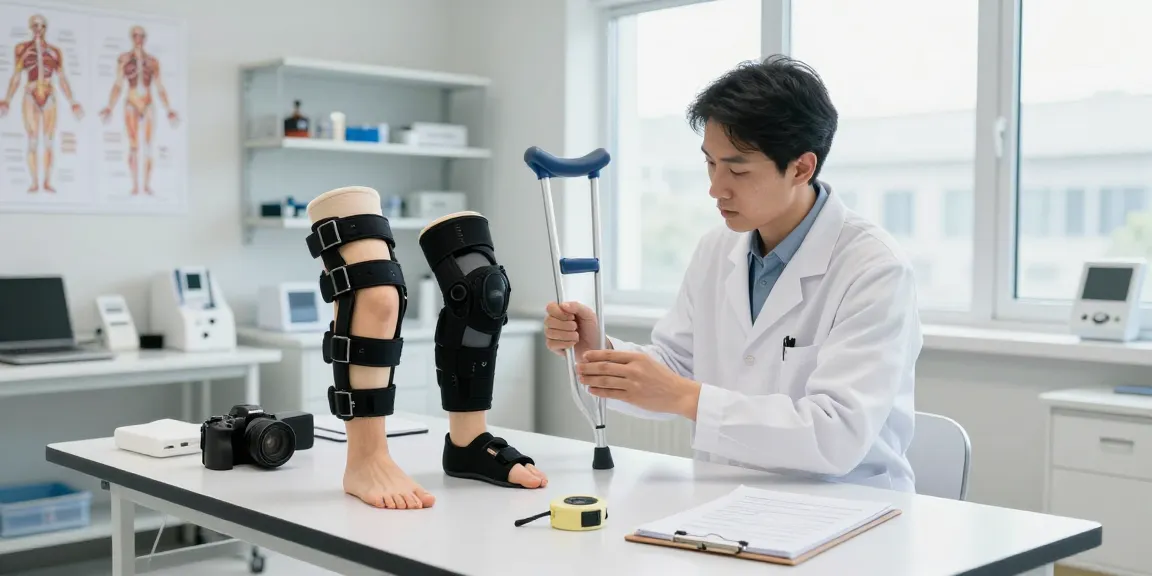
Understanding Materiel Orthopedique
Materiel orthopedique, or orthopedic materials, plays a pivotal role in the healthcare system, especially in the management of musculoskeletal disorders. These materials are essential for supporting, stabilizing, and rehabilitating patients suffering from injuries or chronic conditions affecting their bones, joints, and muscles. Understanding the nuances of these materials is crucial for healthcare providers and patients alike, as they directly influence recovery outcomes and quality of life. When exploring options, materiel orthopedique provides comprehensive insights to enhance patient care and satisfaction.
Definition and Importance of Orthopedic Materials
Orthopedic materials encompass a wide range of items, including braces, splints, prosthetics, and surgical implants. These materials are specifically designed to support damaged tissues, promote healing, and restore functionality. Their importance lies in their ability to facilitate mobility and alleviate pain, thereby enhancing overall patient health and well-being.
Common Types of Materiel Orthopedique
The landscape of orthopedic materials is diverse, catering to various needs across different patient demographics. Common types include:
- Braces and Supports: Used to stabilize joints affected by injury or surgery.
- Splints: Provide immobilization for fractures and sprains.
- Prosthetics: Artificial devices that replace missing limbs or body parts.
- Surgical Implants: Devices used during surgeries to support or replace damaged bone structures.
How Materiel Orthopedique Affects Patient Recovery
The impact of orthopedic materials on patient recovery is profound. Properly designed and fitted orthopedic aids can significantly reduce recovery time, minimize the risk of complications, and enhance overall rehabilitation outcomes. By alleviating pain and providing necessary support, these materials facilitate physical therapy and encourage active participation in recovery processes.
Choosing the Right Orthopedic Equipment
Criteria for Selecting Orthopedic Aids
Selecting appropriate orthopedic equipment involves several considerations, including the specific condition being treated, the patient’s age, lifestyle, and activity level. Healthcare professionals should assess these factors thoroughly to recommend the most suitable devices. Customization options are also crucial, as a one-size-fits-all approach may not yield optimal results.
Evaluating Quality and Performance of Products
Quality and performance are paramount when choosing orthopedic materials. Healthcare providers should opt for products that meet safety standards and are backed by clinical research evidencing their effectiveness. Regular assessments and trials can help in evaluating these products’ long-term performance, ensuring that patients receive the best possible care.
Case Studies: Successful Implementations
Several case studies highlight the successful implementation of specific orthopedic materials. For instance, a study involving custom knee braces showed significant improvements in mobility and pain reduction among patients with osteoarthritis. These real-world examples underscore the need for tailored solutions that address individual patient needs and circumstances.
Innovations in Orthopedic Technology
Emerging Trends in Materiel Orthopedique
The field of orthopedic materials is rapidly evolving, with innovations paving the way for improved patient care. Technologies such as smart materials that adapt to the body’s movements and needs are becoming more prevalent. Additionally, advancements in telemedicine allow for better monitoring and adjustment of orthopedic aids remotely, enhancing patient accessibility to care.
Impact of 3D Printing on Orthopedic Products
3D printing is revolutionizing the production of orthopedic materials, enabling the creation of custom-fitted devices that cater specifically to individual patient anatomy. This technology not only reduces manufacturing costs but also shortens production times, allowing for quicker responses to patient needs.
Future Predictions for Orthopedic Innovations by 2026
By 2026, the orthopedic industry is expected to witness considerable advancements, particularly in regenerative medicine and biocompatible materials. Innovations such as bio-printed tissues and organs could change the landscape of surgical options available to patients, offering safer and more effective solutions for musculoskeletal issues.
Best Practices for Healthcare Professionals
Assessing Patient Needs and Customization Options
A thorough assessment of patient needs is fundamental for healthcare professionals when recommending orthopedic aids. This involves understanding the patient’s medical history, lifestyle, and specific requirements to ensure that the selected devices provide optimal support and comfort.
Training and Education on Materiel Orthopedique
Continuous education regarding the latest in orthopedic materials and technologies is essential for healthcare providers. Facilitating workshops and training sessions can help ensure that professionals are well-equipped with the knowledge necessary to support their patients effectively.
Building Patient Trust through Effective Communication
Effective communication is key to building trust between healthcare providers and patients. By clearly explaining the purpose, benefits, and use of orthopedic materials, practitioners can empower patients, thereby enhancing their adherence to prescribed treatments and recovery plans.
Challenges and Solutions in the Orthopedic Field
Common Misconceptions about Materiel Orthopedique
Misunderstandings about the capabilities and limitations of orthopedic materials abound. Some patients may believe that these materials are meant solely for immediate pain relief, overlooking their role in long-term rehabilitation and recovery. Education can help dispel these myths and promote a more informed perspective among patients.
Overcoming Obstacles: Distribution and Accessibility
Accessibility and distribution of orthopedic materials can pose significant challenges, particularly in underserved regions. Innovative solutions like direct-to-patient shipping and local partnerships with healthcare facilities can help bridge the gap, ensuring that essential materials are available to all who need them.
Monitoring and Improving Patient Feedback
Regularly collecting and analyzing patient feedback on orthopedic aids can help healthcare providers identify areas for improvement. Implementing a structured feedback system not only enhances product offerings but also fosters a culture of continuous improvement within healthcare services.
What is the role of materiel orthopedique in rehabilitation?
Materiel orthopedique plays a crucial role in rehabilitation by providing the necessary support and stabilization required during the healing process. Proper equipment allows for safe mobility and gradual return to normal activities, facilitating a more efficient recovery journey.
How can healthcare providers stay updated on orthopedic innovations?
To remain informed about the latest advancements in orthopedic materials and technologies, healthcare providers should actively participate in professional organizations, attend industry conferences, and engage with peer-reviewed journals focused on orthopedic research and innovations.
What are the best types of orthopedic materials for sports injuries?
When it comes to sports injuries, flexible and supportive materials such as compression sleeves, ankle supports, and functional braces are often the best options. These materials provide stability while allowing for a range of motion, which is crucial for athletes recovering from injuries.
How does materiel orthopedique influence long-term patient outcomes?
The appropriate use of orthopedic materials can significantly influence long-term patient outcomes by ensuring proper alignment, reducing pain, and enhancing mobility, all of which contribute to a higher quality of life and lower the likelihood of future injuries.
What are the most common orthopedic aids used in therapy?
Some of the most effective orthopedic aids used in therapy include resistance bands, balance boards, and weight-bearing supports. These tools facilitate rehabilitation exercises that help restore strength, flexibility, and coordination in patients recovering from musculoskeletal injuries.