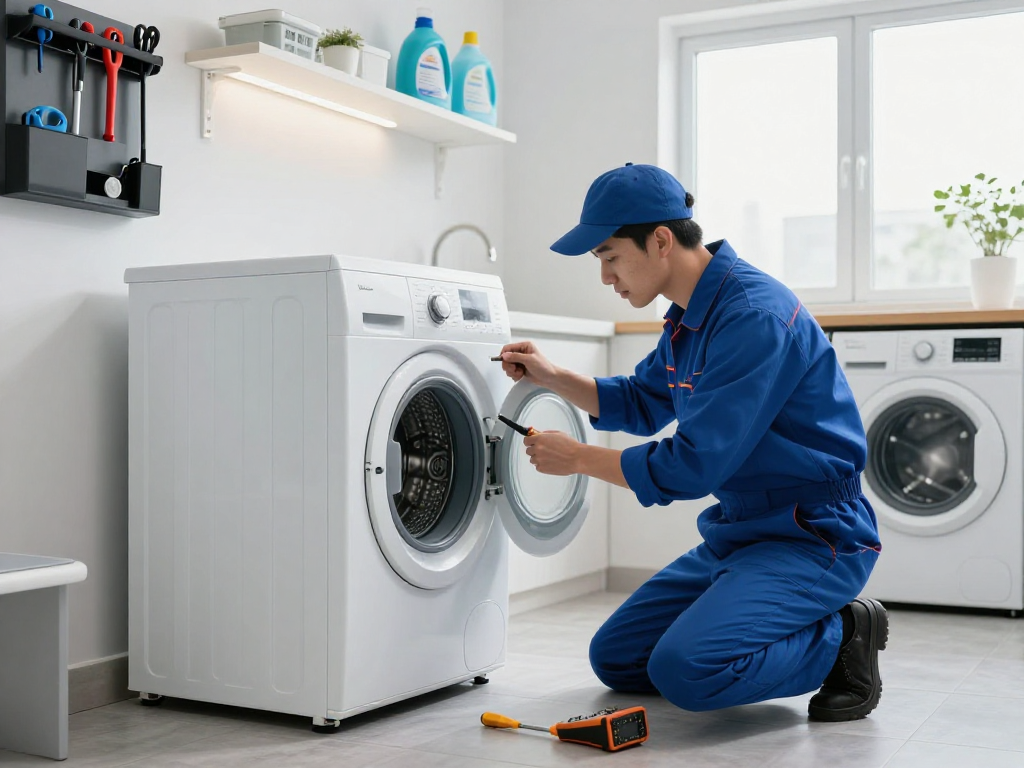
Understanding Common Dryer Issues
Dryers are one of the most essential household appliances, offering convenience and efficiency in our daily lives. However, like any other mechanical device, they can experience issues that disrupt their functionality. Recognizing these problems early is crucial to avoid costly repairs and ensure your dryer operates efficiently. In this article, we will delve into common dryer issues, how to identify them, and the best approaches for addressing these problems, including when to consider professional assistance. When exploring options for dryer repair, understanding these issues can significantly enhance your experience and extend the life of your appliance.
What Are the Signs Your Dryer Needs Repair?
Knowing the signs that indicate your dryer may need repair can save you time, energy, and money. Here are some common indicators:
- Inadequate Drying: Clothes coming out damp or still wet is one of the most telling signs your dryer may need attention.
- Strange Noises: Unusual sounds like squeaking, grinding, or thumping can indicate worn drum rollers or a faulty belt.
- Burning Smell: If you notice an acrid odor, this may signal overheating or electrical issues.
- Excessive Heat on the Outside: The dryer’s exterior should be warm but not so hot that it’s uncomfortable to touch.
- Error Codes: Modern dryers often have digital displays that show error codes, which can help diagnose specific issues.
Why Do Dryers Stop Working Properly?
Several reasons can lead to dryers malfunctioning. Understanding these causes helps in effective troubleshooting and repair:
- Lint Build-Up: A clogged lint filter or duct can restrict airflow, causing your dryer to overheat and ultimately malfunction.
- Faulty Heating Element: If your dryer isn’t producing heat, the heating element may be damaged or malfunctioning.
- Thermostat Issues: A faulty thermostat can cause your dryer to stop heating altogether or lead to overheating.
- Worn Belts or Rollers: These components wear out over time, affecting the dryer’s ability to turn and function properly.
Common Misconceptions About Dryer Maintenance
Many homeowners harbor misconceptions about dryer maintenance that can lead to inadequate care. Here are some common misunderstandings:
- All Maintenance is Optional: Regular maintenance is crucial to prolonging the lifespan of your dryer and preventing major repairs.
- Lint Filters are Sufficient: While cleaning the lint filter is essential, it’s also vital to clean the venting system to avoid fire hazards.
- Older Models are Inefficient and Not Worth Repairing: Some older models can be incredibly durable and efficient when properly maintained, making repairs worthwhile.
DIY Dryer Repair: When and How
Many homeowners take on dryer repair tasks themselves, which can be rewarding and cost-effective. But proper knowledge and safety precautions are essential in executing such repairs effectively.
Essential Tools for Home Dryer Repair
Before embarking on DIY dryer repairs, ensure you have the necessary tools at hand:
- Multi-bit Screwdriver: Useful for removing screws of various sizes.
- Socket Set: Necessary for working with bolts and fasteners.
- Voltmeter: Essential for checking electrical components.
- Lint Brush: For cleaning ducts and filters.
- Replacement Parts: Keep a variety of common parts like belts, rollers, and heating elements on hand for quick replacements.
Step-by-Step Guide to Troubleshooting Your Dryer
When troubleshooting your dryer, follow these steps for efficient diagnostics:
- Check Power Supply: Ensure the dryer is plugged in and the circuit breaker hasn’t tripped.
- Inspect Lint Filter and Vent: Clean the filter and check the vent for blockages.
- Assess Drum Movement: Open the door and manually turn the drum. If it doesn’t turn freely, there may be a problem with the belt or rollers.
- Examine Heating Elements: If your dryer doesn’t heat, check the element with a voltmeter.
- Look for Error Codes: Refer to your user manual for guidance on specific error codes displayed.
Common DIY Repairs You Can Do Yourself
Here are some common repairs you can attempt without professional help:
- Replacing the Lint Filter: Simply remove the old filter and replace it with a new one.
- Cleaning the Duct: Use a vacuum to remove lint and debris from the duct system.
- Changing the Drum Belt: Open the dryer’s cabinet, remove the old belt, and replace it with a new one.
- Replacing the Heating Element: Disconnect the dryer, locate the heating element, and swap it out if it’s faulty.
Professional Dryer Repair Services
While DIY repairs can be effective, some issues require professional expertise. It’s essential to know when to seek help to avoid exacerbating the problem.
When to Call a Professional for Dryer Repair?
Consider calling a professional if:
- The dryer is under warranty, as attempting repairs may void the coverage.
- You encounter complex electrical issues that require specialized knowledge.
- Your DIY attempts yield no results, and the dryer is still malfunctioning.
- There are safety concerns, such as burning smells or excessive heat.
What to Expect from a Dryer Repair Service?
When you engage a professional repair service, you can expect the following:
- Diagnosis of the Issue: Professionals will conduct a thorough assessment to identify the problem.
- Estimates for Repairs: You will receive an estimate of repair costs before any work is done.
- Quality Parts and Service: Ensure that the repair service uses high-quality parts and offers a guarantee on their work.
- Time Efficiency: Professionals are typically quicker at diagnosing and repairing issues than homeowners.
Cost Considerations for Professional Repairs
The cost of professional dryer repairs can vary significantly. Consider these factors:
- Type of Repair Needed: More complex issues like motor replacements are more expensive than straightforward repairs.
- Labor Costs: Rates can differ based on geographical location and company reputation.
- Replacement Parts: Original manufacturer parts may cost more than generic alternatives.
Preventive Maintenance Tips for Your Dryer
Preventive maintenance can extend the life of your dryer and enhance its efficiency. Implement these best practices to maintain your dryer in top condition:
Best Practices for Maintaining Dryer Efficiency
To keep your dryer running efficiently:
- Regularly Clean the Lint Filter: Clean it after every load to ensure proper airflow.
- Inspect Vents and Ducts: Have your dryer ducts cleaned professionally at least once a year to prevent blockages.
- Avoid Overloading: Do not overload your dryer, as this can strain the motor and other components.
How to Clean Your Dryer Ducts and Vents
Cleaning dryer ducts is essential for fire safety and efficiency:
- Unplug the Dryer: Safety first, always unplug the appliance before beginning maintenance.
- Disconnect the Duct: Carefully detach the duct from the back of the dryer and the exhaust point.
- Use a Vacuum: Employ a vacuum with a hose attachment to remove lint and debris from the duct.
- Reattach and Test: Reattach the duct securely and conduct a test run to ensure everything is functioning smoothly.
Seasonal Maintenance Checklist for Your Dryer
Create a seasonal maintenance checklist to keep track of essential tasks:
- Spring: Clean out the dryer vent and inspect the connection to the exterior vent.
- Summer: Check the dryer’s cooling system to ensure it runs efficiently.
- Fall: Inspect belts, rollers, and electrical connections for wear and tear.
- Winter: Ensure the dryer is well-ventilated to prevent condensation and moisture build-up.
Future Trends in Dryer Repair Technologies
As technology advances, dryer repair methods and technologies are evolving. Staying informed about these trends can help homeowners make better decisions regarding repairs and maintenance.
Innovations in Smart Dryer Technology
Smart dryers equipped with Wi-Fi connectivity allow homeowners to monitor their appliances remotely. Features include:
- Remote Diagnostics: Many smart dryers can send alerts to your phone about issues or when a cycle is complete.
- Usage Data Analysis: Users can track usage patterns and energy consumption to optimize efficiency.
- Automated Maintenance Alerts: These appliances can notify you when it's time to clean the lint filter or ducts.
How Predictive Maintenance is Changing Appliance Repairs
Predictive maintenance uses data analytics to anticipate potential issues before they become serious. This includes:
- Monitoring Performance: Sensors can provide real-time data on appliance performance.
- Early Problem Identification: Anomalies can be detected and flagged for repair, preventing costly breakdowns.
- Data-Driven Repairs: This information allows technicians to come prepared with the right parts for repairs.
What Homeowners Should Know for 2026 and Beyond
As we move toward 2026, homeowners should be aware of the following:
- Shifting to Energy-Efficient Appliances: New government regulations will push more energy-efficient models to the market.
- Integration with Smart Home Systems: Expect dryers to seamlessly integrate with other home automation systems.
- Increased Focus on Sustainability: Manufacturers will prioritize sustainable materials and energy sources in their products.
What Are the Most Common Dryer Problems?
Aside from the issues already mentioned, here are other frequent dryer problems:
- Drum not spinning properly
- Dryer cycling constantly without drying
- Unusual vibrations during operation
How Can I Make My Dryer Last Longer?
To extend your dryer’s lifespan:
- Keep the lint filter clean.
- Avoid overloading the dryer.
- Schedule regular maintenance checks.
What DIY Steps Can I Take Before Calling a Professional?
Before contacting a repair service, consider these DIY steps:
- Check power supply and settings.
- Clean the lint filter and ducts.
- Look for any visible signs of wear or damage.
What Are the Signs of a Failing Heating Element?
Signs of a failing heating element may include:
- Dryer runs but doesn’t heat.
- Burning smell when the dryer operates.
- Inconsistent heat levels.
How Can I Improve Dryer Efficiency?
Improving dryer efficiency can save on energy bills:. Additionally, appliance maintenance provides further details.
- Use dryer balls to reduce drying time.
- Group laundry loads for efficient drying.
- Ensure proper ventilation for optimal airflow.